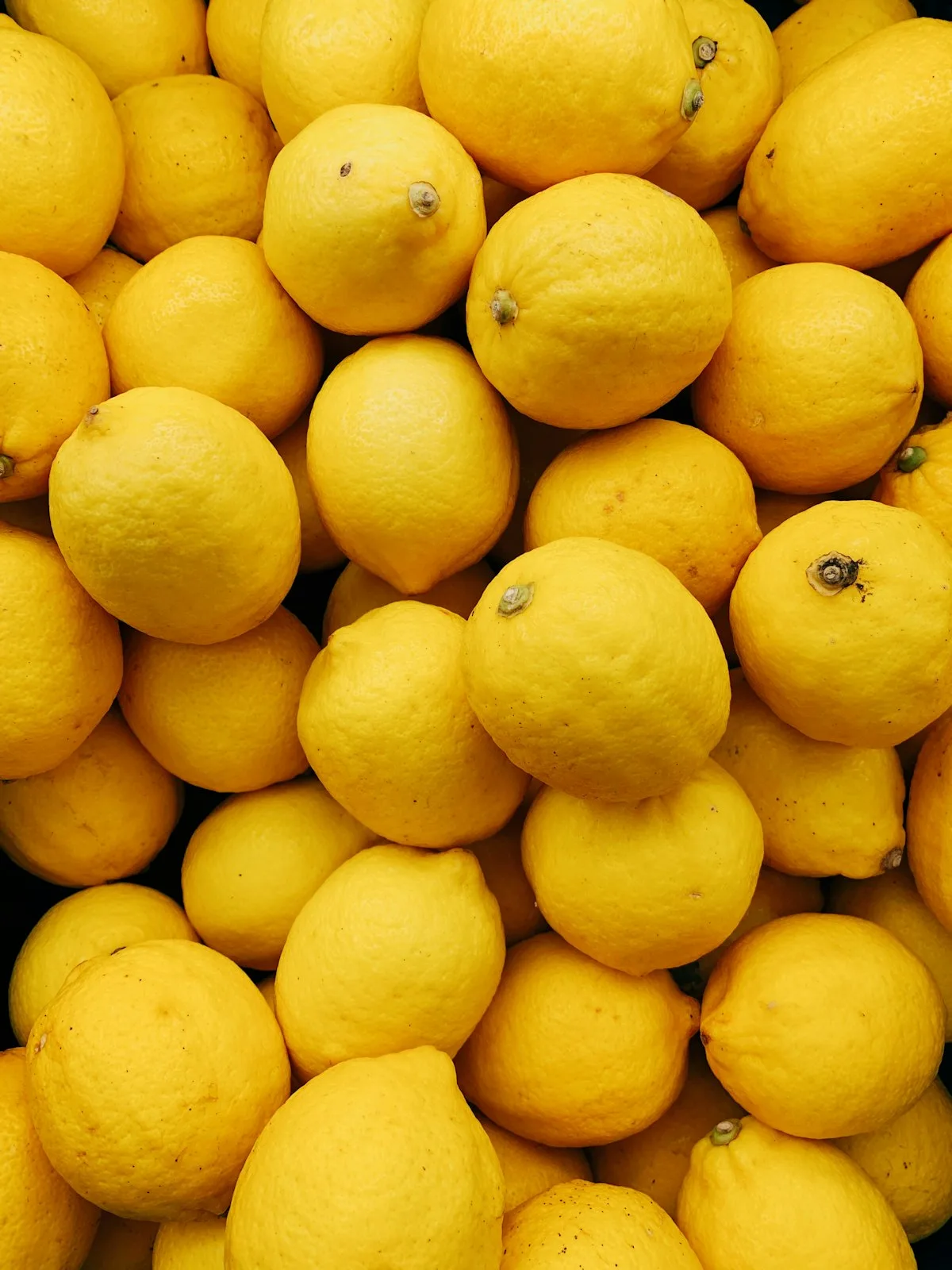
By the Santa Paula Festival Team · Last updated April 2026 · 6 min read
From 413 acres of lemon trees to a global agribusiness — and they never left town
You can't spend five minutes in Santa Paula without bumping into Limoneira. Their name is on buildings. Their groves line the highway coming into town. The art museum sits in a former Limoneira building. And if you ride one of those railbikes that tourists love so much, you're pedaling directly through Limoneira orchards.
But here's the part that gets people: this isn't a relic. Limoneira isn't a museum exhibit or a "used to be." They're a publicly traded company on NASDAQ, headquartered right here in Santa Paula, still growing lemons on land they've farmed for over 130 years. In a state where agriculture gets bulldozed for condos every week, that kind of continuity borders on miraculous.

The name comes from Portuguese. "Limoneira" roughly translates to "lemon lands" or "lemon tree" — which is about as on-the-nose as a company name can get. When your entire business is growing lemons in a valley that looks like it was specifically designed by geology to grow lemons, you don't need a clever brand name. You just call it what it is.
In 1893, a group of investors looked at the Santa Clara River Valley — flat, sunny, fertile soil twenty feet deep, Mediterranean climate — and decided this was the place to grow citrus at scale. They started with 413 acres, on land that would become the foundation of Limoneira as we know it today. Lemons, Valencia oranges, and walnuts.
That 413-acre bet paid off in ways they probably couldn't have imagined. The soil and climate turned out to be nearly perfect for citrus. Water came from the Santa Clara River and local wells. And the Southern Pacific Railroad — which had arrived in Santa Paula six years earlier, in 1887 — gave them a way to ship crates of fruit across the entire country.
Limoneira didn't just grow fruit. The company was instrumental in building the infrastructure that turned California citrus from a regional curiosity into a national industry. And some of the brands they helped create? You definitely know them.
So when people say Limoneira "built" Santa Paula, they're not exaggerating. The company didn't just plant trees — it helped create the entire West Coast citrus supply chain. The packing houses that employed hundreds of workers in Santa Paula? Limoneira. The railroad connections that made shipping possible? Limoneira lobbied for those. Even the downtown architecture — those Victorian commercial buildings on Main Street — was largely built with money that flowed through the citrus economy Limoneira helped create.
The company has diversified way beyond lemons, though lemons are still the anchor. Their current crop portfolio includes avocados (this is Ventura County — avocados are basically currency here), specialty citrus varieties like Cara Cara oranges and blood oranges, pistachios, pluots, and cherries.
They've also moved into real estate development — the Harvest at Limoneira residential community is literally built on former orchard land, designed to integrate housing with the agricultural setting. Walk out your front door and you're in a citrus grove. It's a very Santa Paula approach to development: even the houses coexist with the trees.
Most agricultural companies either stay small and local or grow big and leave. Limoneira did something unusual — they grew big and stayed. Their headquarters is still in Santa Paula. Their groves are still in the valley. Their employees still live in the community. After 130 years, they haven't moved a mile.
You don't have to be an agriculture nerd to enjoy visiting Limoneira's footprint in Santa Paula. There are a few ways to experience it:
This is the standout. Two-person powered railbikes that ride along old railway lines running directly through Limoneira's heritage orchards. You're literally pedaling through the same groves that have been producing citrus since the 1890s. The scent of lemon blossoms in spring is unreal. It's slow, peaceful, and genuinely unlike anything else in Southern California. Check our things-to-do guide for more details.
Located on the Limoneira property, the visitor center offers information about the company's operations, history, and agricultural practices. It's not a full museum experience — more of an orientation point — but it's worth a stop if you're already in the area.
The historic Limoneira Building at 117 N 10th Street now houses the Santa Paula Art Museum. You can admire the architecture, check out whatever exhibition is currently showing, and stand in a building that was central to the citrus industry's operations for decades.
Not officially Limoneira, but nearby and operating on land that's part of the same agricultural ecosystem. Pick-your-own strawberries in spring, pumpkins in fall, and a petting zoo for kids year-round. It captures the spirit of Santa Paula agriculture in a hands-on way. The summer berries are outstanding.
Limoneira has been a sponsor and supporter of the Santa Paula Citrus Festival since its early years. The festival exists specifically to celebrate the agricultural heritage that Limoneira helped build — so the connection is organic, not just a logo on a banner.
The Kiwanis Club started the festival in 1987 to honor what makes Santa Paula unique. And what makes Santa Paula unique, more than anything, is 130 years of continuous citrus production anchored by a company that never left. When you're at the festival eating lemon-squeezed everything and watching the citrus parade roll past, that's Limoneira's legacy you're tasting. First time going? Our festival tips cover everything from parking to food strategy.
Limoneira is publicly traded (NASDAQ: LMNR) and operates beyond Santa Paula — they have agricultural operations in other parts of California and internationally. But the heart of the company is still here, in the same valley where they planted those first 413 acres.
For anyone interested in the broader history of Santa Paula — the oil, the movies, the dam disaster, the airplanes — Limoneira is the thread that ties the whole narrative together. The citrus industry shaped this town's economy, its architecture, its workforce, and its identity. And Limoneira is the company that made most of that happen.
Limoneira is an agribusiness company headquartered in Santa Paula, California, founded in 1893. They operate the world's largest lemon orchard and grow citrus, avocados, pistachios, and other crops. The company helped launch Sunkist Growers and is publicly traded on NASDAQ (LMNR). After 130+ years, they're still based in the same town where they started.
Yes — several ways. The Limoneira Visitor Center offers information and tours. Sunburst Railbikes lets you ride through the heritage orchards on powered railbikes. The Santa Paula Art Museum is housed in the historic Limoneira Building downtown. And Prancer's Farm nearby offers pick-your-own produce and a petting zoo.
It's Portuguese — roughly translating to "lemon lands" or "lemon tree." The founders chose the name because the company's entire purpose was growing lemons in the Santa Clara River Valley. Sometimes the simplest names are the best ones.
See also: Day Trip from LA, Santa Paula Airport, St Francis Dam