By the Santa Paula Festival Team · Last updated April 2026 · 7 min read
Natural swimming holes, waterfall slides, and an 8-mile trail through the Los Padres
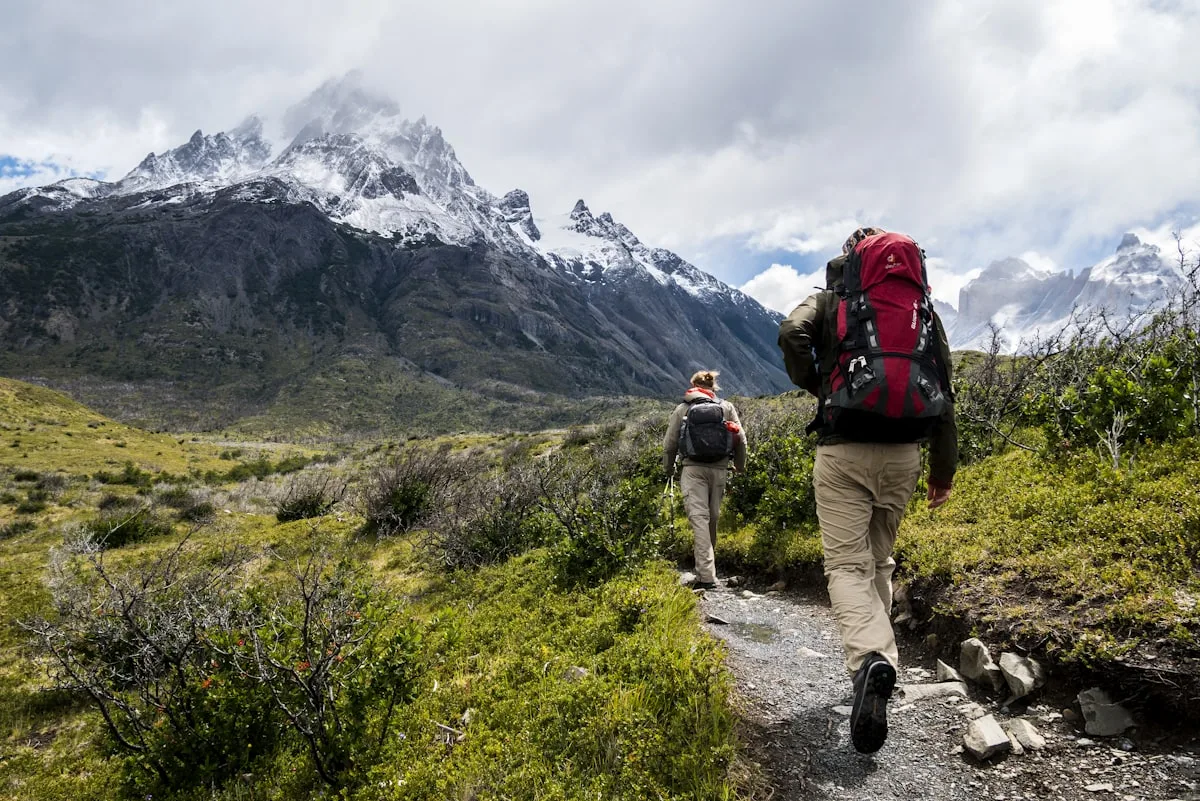
Ask anyone in Ventura County where to go swimming on a hot day and you'll get the same answer: the Punch Bowls. They're a series of natural pools carved into the rock at the end of Santa Paula Canyon — cold, clear, and fed by small waterfalls that form what are essentially nature's water slides. Getting there requires an 8-mile round-trip hike through a canyon in the Los Padres National Forest. It's not a casual stroll. But on a 95-degree July afternoon? Absolutely worth every step.
The trail follows Santa Paula Creek upstream through a narrow canyon. The first two miles are gentle — mostly flat, well-worn dirt path with some shade from sycamores and oaks. After that, things get more interesting. Creek crossings start around mile 2.5, the trail gets rockier, and the final approach to the Punch Bowls involves some scrambling over boulders that'll test your ankle stability.
Is it hard? Depends who you ask. If you hike regularly, it's a solid moderate — you'll feel it in your quads but won't be crawling. If your last hike was three years ago and you're wearing sandals, you're going to have a rough time. Be honest with yourself about fitness level before committing.
The Santa Paula Canyon trailhead is on Highway 150 (Ojai Road), roughly halfway between Santa Paula and Ojai. If you're driving from Santa Paula, head east on the 150 — the parking area is on the right after about 15 minutes. Coming from Ojai, it's the same road heading west.
The trailhead is adjacent to Thomas Aquinas College. There's a parking lot that charges a small fee on weekends (usually a few bucks — honor system drop box). On busy weekends, the lot fills up by 9 AM. Not exaggerating. If you roll up at 10:30 on a Saturday in June, you're parking along the highway shoulder and adding a quarter mile to your walk.
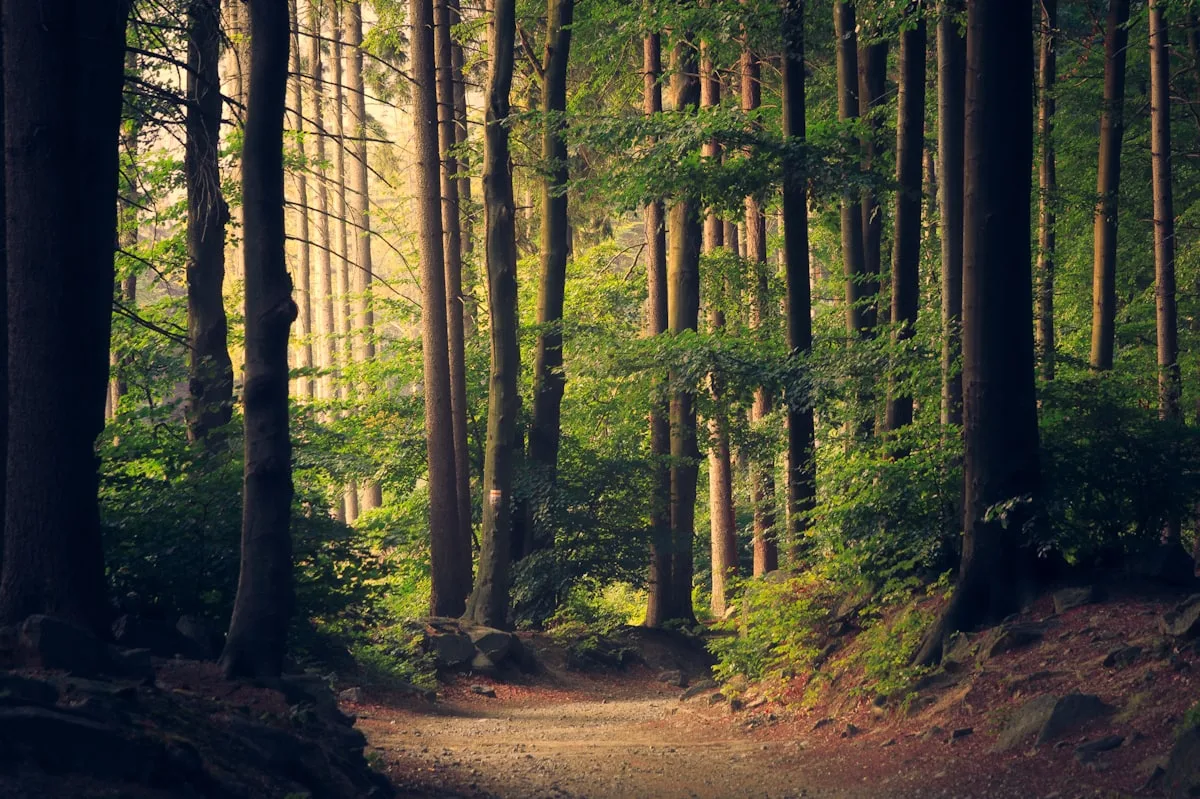
The first section follows a wide, mostly flat path along the creek. There's decent tree cover for the first mile — sycamores, oaks, some tall grass on either side. You'll cross a few dry streambeds (or wet ones, depending on the season). The footing is good. Casual hikers will feel comfortable here.
Keep an eye out for poison oak along the trail edges. It's everywhere in this canyon. If you don't know what it looks like — three shiny leaves, sometimes reddish — do yourself a favor and Google it before you go. Staying on the main trail minimizes exposure, but brush-ups happen, especially on narrow sections.
This is where the trail gets real. Around the 2.5-mile mark, you'll hit the first proper creek crossing. Depending on the season, this could be ankle-deep or knee-deep. There's no bridge. You're either boulder-hopping across (sketchy when the rocks are wet) or just walking straight through.
Water shoes earn their weight in gold here. Not flip-flops — actual water shoes or old sneakers you don't mind getting soaked. Bare feet on wet river rocks is asking for a busted toe. Trust me on this.
The final approach to the Punch Bowls is the hardest part. The trail narrows, the terrain gets rockier, and there's some legit scrambling involved — hands-on-rocks, climbing-over-boulders scrambling. Follow the cairns (stacked rock markers) and the worn path. It's easy to lose the trail in this section if you're not paying attention.
Take your time. Rushing through the scramble is how twisted ankles happen. The pools aren't going anywhere.
And then you're there. The canyon opens up into a series of natural pools — water that's carved smooth bowls into the sandstone over thousands of years. Small waterfalls connect the pools, and some of them form natural slides you can actually ride down if the water flow is strong enough.
The water is cold. Not "oh this is refreshing" cold — more like "my lungs just seized up for three seconds" cold. Your body adjusts after a minute. On a hot day, it's genuinely one of the best swimming experiences in Southern California. Clear water, no crowds (if you came early), mountains rising on both sides, and the sound of falling water echoing off the canyon walls.
There's something about earning your swimming hole. A pool you drove to is fine. A pool you hiked four miles to reach hits different. The Punch Bowls are that kind of place.
Spring (March-May) is the sweet spot. Water levels are highest from winter rain runoff, the waterfalls are flowing strong, wildflowers are blooming along the trail, and temperatures haven't hit the brutal summer highs yet. Early spring mornings are cool — bring a light layer for the first mile.
Summer (June-August) is when most people come, for obvious reasons. The pools are warmer (relatively), the days are long, and the heat makes the cold water feel incredible. But: parking is a nightmare on summer weekends, the trail gets crowded, and water levels can drop significantly by late August. Start early.
Fall (September-October) is underrated. Crowds thin out dramatically after Labor Day, water is still swimmable, and the light in the canyon is gorgeous in the late afternoon. November and later — skip the swimming, but the hike itself is beautiful.
Winter (November-February) — the trail can be muddy and creek crossings more challenging. Swimming isn't realistic. But if you're hiking for the scenery rather than the pools, winter has a stark beauty that the summer crowds never see.
Leave the Bluetooth speaker at home. Seriously. People come to this canyon for the sound of water and wind, not your playlist. It's a shared space.
If the Punch Bowls are too long or you want something different, Santa Paula has shorter options. And if the weather turns? Skip the trail and hit the four walkable museums downtown instead.
Steckel Park — a county park. After any hike, check our restaurant guide for the best post-trail food with easy walking trails along Santa Paula Creek. Good for families with young kids. Picnic areas, playground, and flat terrain. Free entry.
Santa Paula Creek Bike Path — a paved, flat path that runs along the creek through town. Perfect for bike rides, strollers, or a casual walk. No elevation, no scrambling, no excuses.
Sulphur Mountain Road — a steep fire road above Santa Paula that rewards you with panoramic views of the valley and the Channel Islands on clear days. No swimming, but the views are unreal. Best in winter or spring when the air is clearest.
For the full rundown on what else to do in town, see our Santa Paula guide.
About 8 miles round trip. Most people take 4-5 hours including time for swimming and lunch at the pools. Strong hikers can do it in 3 hours if they're not stopping, but what's the point of rushing past the best part?
Yes — that's the whole reason most people make the hike. Water levels depend on the season. Spring is best for flow; summer is warmest but levels can be lower by August. The water is always cold regardless of season. There are no lifeguards.
Moderate. The first half is easy flat walking. The second half involves creek crossings and scrambling over rocks. Not suitable for small children, dogs (technically prohibited in the wilderness area), or anyone with mobility issues. Hiking boots or trail shoes strongly recommended.